
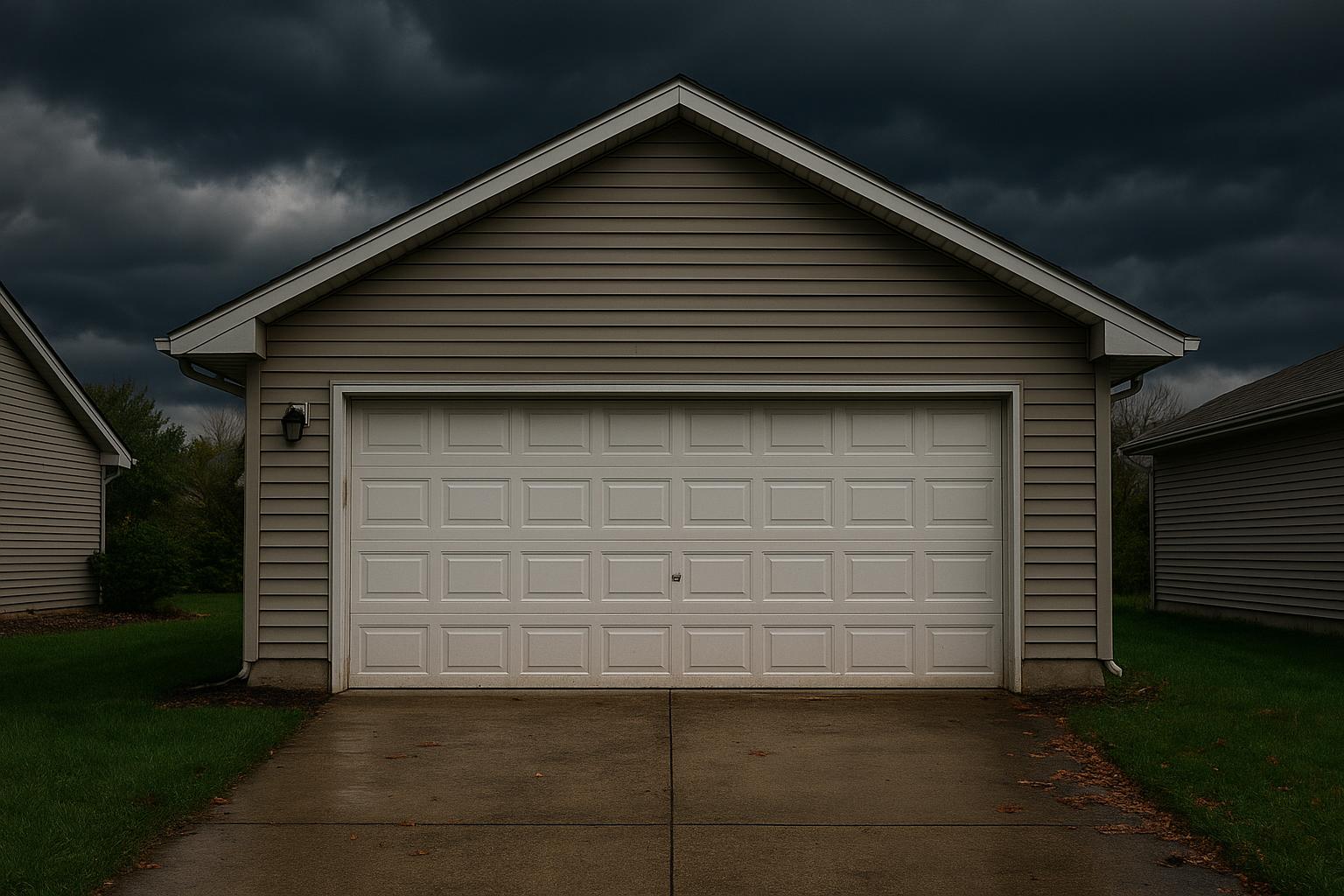
Your Garage Door vs. North Carolina Weather
If you live in Creedmoor, you know our weather doesn't exactly pick a lane. We get blazing summer heat, humid springs, chilly winters, and the occasional ice storm that nobody saw coming. Through all of it, your garage door is right there on the front lines — exposed to every temperature swing, rainstorm, and gust of wind.
Most homeowners don't think about how weather impacts their garage door until something goes wrong. But understanding the connection between seasonal changes and garage door performance can save you from unexpected breakdowns, costly repairs, and a lot of frustration.
Here's a closer look at how different weather conditions affect your garage door and what you can do to keep it running smoothly year-round.
How Heat and Humidity Impact Your Garage Door
Summers in Creedmoor and the surrounding Granville County area bring plenty of heat and humidity. While your garage door is built to handle outdoor conditions, prolonged exposure to high temperatures and moisture can cause real issues over time.
Metal Expansion
Metal garage door components — including tracks, springs, and panels — expand slightly in extreme heat. This can cause:
- Misalignment of the door on its tracks
- Binding or sticking when the door opens or closes
- Increased stress on the opener motor
If your garage door seems sluggish or uneven on a hot day, thermal expansion could be the culprit.
Humidity and Rust
High humidity accelerates rust and corrosion, especially on springs, hinges, and metal hardware. Rust weakens these parts and can lead to premature failure. Wooden garage doors are also vulnerable — moisture can cause warping, swelling, and paint peeling.
What You Can Do
- Apply a silicone-based lubricant to all moving parts at the start of summer
- Inspect metal components for early signs of rust and address them quickly
- If you have a wooden door, make sure the finish or paint is intact to seal out moisture
How Cold Weather Takes a Toll
While we don't get the brutal winters that states further north experience, Creedmoor still sees its share of cold snaps, frost, and the occasional ice event. Cold weather creates a different set of challenges for your garage door.
Metal Contraction
Just as heat causes metal to expand, cold causes it to contract. This can lead to:
- Gaps between panels or along the weatherstripping
- Springs becoming more brittle and prone to snapping
- Increased friction in the tracks
Garage door springs are especially vulnerable in winter. Cold metal loses flexibility, and a spring that was already nearing the end of its lifespan is far more likely to break on a freezing morning.
Frozen Components
When temperatures drop below freezing, moisture along the bottom seal or in the tracks can freeze. This can literally freeze your garage door to the ground. Forcing the door open in this situation can damage the seal, the tracks, or the opener.
What You Can Do
- Never force a frozen garage door open — gently break the ice seal first or use warm water along the bottom edge
- Keep the tracks clean and dry heading into winter
- Have your springs inspected before cold weather sets in, especially if they're more than five years old
- Check your weatherstripping and replace it if it's cracked or worn
Rain, Storms, and Wind Damage
North Carolina gets its fair share of storms, and Creedmoor is no exception. Heavy rain, strong winds, and severe weather can all affect your garage door's performance and structural integrity.
Water Intrusion
If the weatherstripping along the bottom or sides of your garage door is worn out, rain can seep into your garage. Over time, this leads to water damage on your garage floor, stored belongings, and even the door's bottom panels.
Wind Damage
High winds put enormous pressure on garage doors, especially older single-layer doors that lack reinforcement. A strong enough gust can bow panels inward, knock the door off its tracks, or damage the opener mechanism.
Debris Impact
Falling branches and wind-blown debris can dent or damage garage door panels. Even minor dents can affect how the door tracks and seals.
What You Can Do
- Replace worn weatherstripping before storm season
- Consider upgrading to a wind-rated or reinforced garage door if you have an older model
- After any major storm, do a visual inspection of your door's panels, tracks, and hardware
- If your door was hit by debris or won't operate properly after a storm, call a professional before using it
Seasonal Maintenance: Your Best Defense
The single best thing you can do to protect your garage door from weather-related problems is to stay on top of regular maintenance. A quick seasonal checkup can catch small issues before they turn into big, expensive ones.
Here's a simple seasonal maintenance checklist:
- Lubricate all moving parts — springs, hinges, rollers, and tracks — with a silicone-based lubricant at least twice a year
- Inspect the weatherstripping along the bottom and sides of the door and replace it if it's cracked, brittle, or missing
- Check the balance of your door by disconnecting the opener and lifting the door manually halfway — it should stay in place without drifting up or down
- Look for rust or corrosion on springs, brackets, and hardware
- Test the auto-reverse safety feature on your opener by placing a small object in the door's path
- Clear the tracks of dirt, debris, and cobwebs
- Tighten loose hardware — vibration from daily use can loosen bolts and brackets over time
If anything seems off during your inspection, or if you're not comfortable checking springs and cables yourself, it's always smart to call in a professional.
When to Call a Pro
Some weather-related garage door issues are easy to handle on your own — replacing weatherstripping, lubricating parts, or clearing debris from the tracks. But other problems require professional attention:
- Broken or visibly damaged springs
- A door that's off its tracks
- Panels that are bowed, cracked, or severely dented
- An opener that struggles or fails to lift the door
- Water damage to the door structure itself
At Creedmoor Garage Door, we help homeowners across Creedmoor, Butner, Franklinton, Wake Forest, and the surrounding communities keep their garage doors in top shape no matter what the weather throws at them. Whether you need a quick repair, a full inspection, or a new door that's built to handle our North Carolina climate, we're here to help.
Don't Wait for the Weather to Decide for You
Your garage door works hard every single day, and weather makes that job even tougher. A little preventive care goes a long way toward avoiding emergency repairs and extending the life of your door. If it's been a while since your last inspection — or if you've noticed anything unusual after a recent hot spell, cold snap, or storm — give us a call. We'll take a look, give you an honest assessment, and make sure your garage door is ready for whatever comes next.