
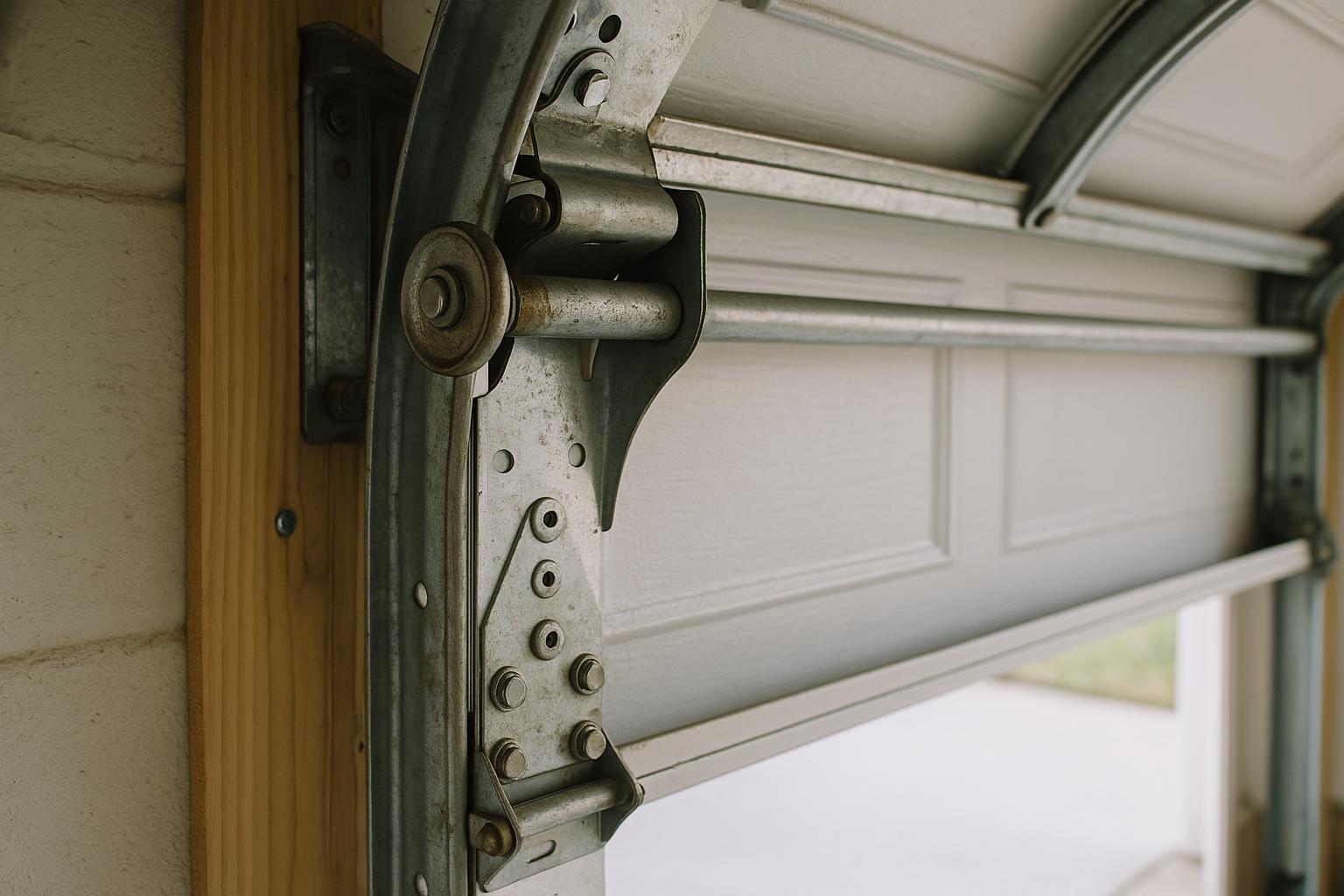
That Noise Your Garage Door Is Making? Don't Ignore It
You press the button on your garage door opener, and instead of the smooth, quiet operation you're used to, you hear something unsettling — a grinding, squealing, popping, or rattling sound that definitely wasn't there before. If you're like most homeowners in Creedmoor, your first instinct might be to ignore it and hope it goes away on its own.
Unfortunately, garage door noises rarely fix themselves. In most cases, they're early warning signs that something needs attention. The good news is that understanding what different sounds mean can help you figure out whether you're dealing with a quick fix or something that requires professional repair.
Let's break down the most common garage door noises, what causes them, and what you should do about each one.
Squealing or Screeching Sounds
A high-pitched squeal when your garage door opens or closes is one of the most common complaints we hear from homeowners. This sound is almost always related to friction — metal parts rubbing against each other without proper lubrication.
Common causes include:
- Dry or worn rollers that need lubrication or replacement
- Hinges that have lost their lubrication over time
- Metal tracks that have accumulated dirt and debris
- Worn bearings in the torsion spring system
In many cases, a thorough lubrication of the moving parts can solve the problem. We recommend using a silicone-based or lithium-based garage door lubricant — not WD-40, which is a solvent and not a long-term lubricant. Apply it to the rollers, hinges, tracks, and the torsion spring. If the squealing continues after lubrication, the rollers themselves may be worn out and need to be replaced.
Grinding or Scraping Noises
A grinding sound is more concerning than a squeal. This typically means something is physically rubbing or catching where it shouldn't be. The most common culprit is a garage door that has shifted out of alignment with its tracks.
What to look for:
- Visible gaps between the rollers and the track
- The door appearing crooked or uneven as it moves
- Scrape marks or shiny spots on the inside of the tracks
- Rollers that appear bent, cracked, or chipped
Track alignment issues should be handled by a professional. Attempting to adjust the tracks yourself can be dangerous, especially if the door is under tension from the spring system. If you notice grinding, it's best to stop using the door until it can be inspected to avoid causing further damage or creating a safety hazard.
Rattling and Vibrating
If your garage door sounds like a box of loose bolts every time it moves, you're probably dealing with loose hardware. Over the course of hundreds of open-and-close cycles, the nuts, bolts, and screws that hold your garage door system together can gradually work themselves loose.
This is one of the easier problems to address. Grab a socket wrench and tighten all the bolts on the door's hinges, brackets, and track supports. Check the bolts on your garage door opener's mounting bracket as well — a loose opener can vibrate against the ceiling and amplify the noise throughout your entire garage.
If tightening everything doesn't solve the rattling, the issue could be with the opener's chain or belt. A loose chain on a chain-drive opener will slap against the rail and create a rattling noise during operation. Adjusting the chain tension usually resolves this, but check your opener's manual for the correct procedure.
Banging or Popping Sounds
A loud bang or pop when the door starts moving is something that gets people's attention fast — and for good reason. This sound can indicate a few different issues, some minor and some serious.
Possible causes:
- Panels flexing due to inadequate support or worn struts
- Torsion springs releasing stored energy unevenly
- A section of track that has a bend or dent, causing the rollers to jump
- The opener engaging too aggressively due to force settings being too high
If the banging happens consistently at the same point during the door's travel, it's likely a track issue or a problem with a specific panel. If it's random, the spring system or opener force settings are more likely to blame. Either way, a loud pop or bang warrants a professional inspection, especially since it could be related to the high-tension spring system.
Humming or Buzzing Without Movement
When you press the button and hear the opener hum or buzz but the door doesn't move, the motor is running but can't engage the door. This could mean the disconnect cord has been pulled (which disengages the opener from the door for manual operation), the drive gear inside the opener has stripped, or there's an obstruction preventing the door from moving.
Start by checking the disconnect cord — it's usually a red handle hanging from the opener rail. If it's been pulled, reconnect it according to your opener's instructions. If the cord is connected and the motor still hums without moving the door, the internal gears may need to be replaced. This is a common repair for openers that are more than seven or eight years old.
When to Call a Professional
Some garage door noises can be resolved with basic maintenance — a little lubrication, tightening a few bolts, or cleaning the tracks. But many noises point to problems that require professional tools, replacement parts, and expertise to fix safely.
Call a garage door technician if:
- The noise is accompanied by the door moving unevenly or getting stuck
- You suspect the issue involves the springs, cables, or tracks
- Lubrication and tightening hardware didn't resolve the problem
- The opener motor runs but the door won't move
- You hear a loud snap or bang that you can't identify
At Creedmoor Garage Door, we see these issues regularly across homes in Creedmoor, Butner, Wake Forest, and the surrounding communities. Most noise-related repairs are straightforward when they're caught early. The problems become more expensive when they're ignored and allowed to cause secondary damage to other components.
Preventive Maintenance Goes a Long Way
The best way to avoid unexpected garage door noises is with regular maintenance. We recommend having your garage door system inspected and serviced at least once a year. During a maintenance visit, a technician will lubricate all moving parts, tighten hardware, inspect the springs and cables, test the balance of the door, and check the opener's safety features.
This kind of routine care can extend the life of your garage door system by years and help you avoid the inconvenience of a door that breaks down at the worst possible time — like when you're trying to leave for work on a Monday morning in Creedmoor.
Don't Let a Small Noise Become a Big Problem
Your garage door is one of the largest moving parts of your home, and it works hard every single day. When it starts talking to you with unusual sounds, it's worth listening. A little attention now can save you from a costly repair — or a complete door replacement — down the road.
If your garage door is making a noise you can't explain, give us a call. Creedmoor Garage Door provides honest, dependable service to homeowners throughout Granville and Wake counties. We'll diagnose the problem, explain your options, and get your door running quietly again.